“There would be no Christmas if there had not been Easter.
The babe Jesus of Bethlehem would be but another baby without the redeeming
Christ of Gethsemane and Calvary , and the
triumphant fact of the Resurrection.”
Gordon B. Hinckley
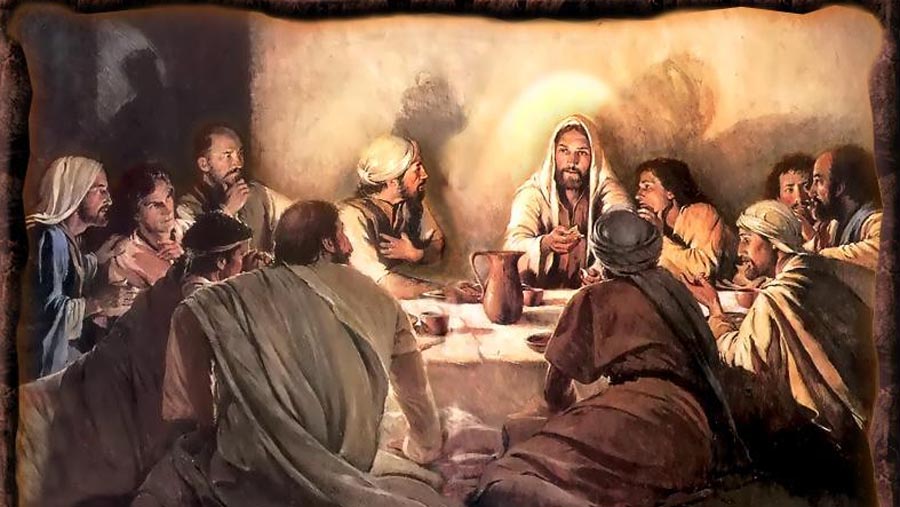
As part of our family's Easter celebration, I cooked a triditional Ancient Jewish meal for dinner, with elements of a Passover feast. I did this last year, which made this year much easier, but It's still an interesting thing to pull together.
I don't know that my kids are all mature enough to appreciate the significance of this meal, but I appreciate the symbolism, and the connection it gives us to ancient times. It's wonderful to reflect on the symbolism of each of the food, especially the juice and bread, as they are so important to renewing our covenants.
Lamb
Lamb is highly symbolic in the Passover meal as it was initially used in Egypt so that the destroying angle would "pass over" the homes of the Israelites and not take the lives of their children. Also, Christ is know as the Lamb of God, and gave himself as the ultimate sacrifice for sin.
Lamb is highly symbolic in the Passover meal as it was initially used in Egypt so that the destroying angle would "pass over" the homes of the Israelites and not take the lives of their children. Also, Christ is know as the Lamb of God, and gave himself as the ultimate sacrifice for sin.
Fish
Served commonly at the time,
especially considering many of the disciples were fishermen.
Salt Water
Signifies the water of the Red Sea which was parted to free that Israelites. We all took a small sip. That was enough!
Olives
Commonly used in Jerusalem to the point that olives were also used as a term of measurement.
Hard-boiled Eggs
Represents mourning for the destroyed temple and giving more to God than what is demanded (does anyone understand that? I'd like to know more)
Grapes
Charoseth
(chopped almonds, apple, grape juice, cinnamon and sugar)
This symbolizes the mortar the Israelites used to make bricks in Egypt.
Grape JuiceThis represents the joy we feel when we are out of bondage. Additionally, Christ served the wine as part of the sacrament to remind us of the blood which he would soon spill for all mankind so that we can repent and be cleansed of our sins.
Unleavened Bread
A reminder that the Israelites did not have time for their bread to rise in their hurry to leave Egypt. Also, at the Last Supper Christ served this as part of the sacrament, asking his followers to eat in remembrance of his body.
Salt Water
Signifies the water of the Red Sea which was parted to free that Israelites. We all took a small sip. That was enough!
Olives
Commonly used in Jerusalem to the point that olives were also used as a term of measurement.
Hard-boiled Eggs
Represents mourning for the destroyed temple and giving more to God than what is demanded (does anyone understand that? I'd like to know more)
Grapes
Charoseth
(chopped almonds, apple, grape juice, cinnamon and sugar)
This symbolizes the mortar the Israelites used to make bricks in Egypt.
Grape JuiceThis represents the joy we feel when we are out of bondage. Additionally, Christ served the wine as part of the sacrament to remind us of the blood which he would soon spill for all mankind so that we can repent and be cleansed of our sins.
Unleavened Bread
A reminder that the Israelites did not have time for their bread to rise in their hurry to leave Egypt. Also, at the Last Supper Christ served this as part of the sacrament, asking his followers to eat in remembrance of his body.
I made the unleavened bread this year, rather than just buying pita. Madelyn really liked it. The rest of us preferred the flat-bread, which was common in Jesus' time.
Tomato, Cucumber, and Onion Salad
We also set a place at the table for Elijah, who was to come before the Savior and prepare the way for his coming.
Tomato, Cucumber, and Onion Salad
We also set a place at the table for Elijah, who was to come before the Savior and prepare the way for his coming.
Because the Messiah has already come
and we no longer wait for Elijah, we shared his cup of Grape Juice,
symbolically sharing the joy that our Savior has already come to redeem
his people. I don't know if this is an actual tradition (especially since the Jewish people don't recognize that their Redeemed or Elijah have come again) but I love the idea. We will made this a family tradition and even if it is not of significance to anyone else, it is to us.
This week has been so special to me. I love spending evenings with my family, discussing details of our Savior's live and it's significance to us. I think our testimonies are strengthened, and our relationships with each other and the Savior grow.
This week has been so special to me. I love spending evenings with my family, discussing details of our Savior's live and it's significance to us. I think our testimonies are strengthened, and our relationships with each other and the Savior grow.
1 comment:
I love this idea! I think we will have to do this next year for Easter.
Do you have any pics of the meal?
Post a Comment